
The Evolving Power Transition Landscape: Green Energy Ecosystems, EVs, and Geopolitical Dynamics
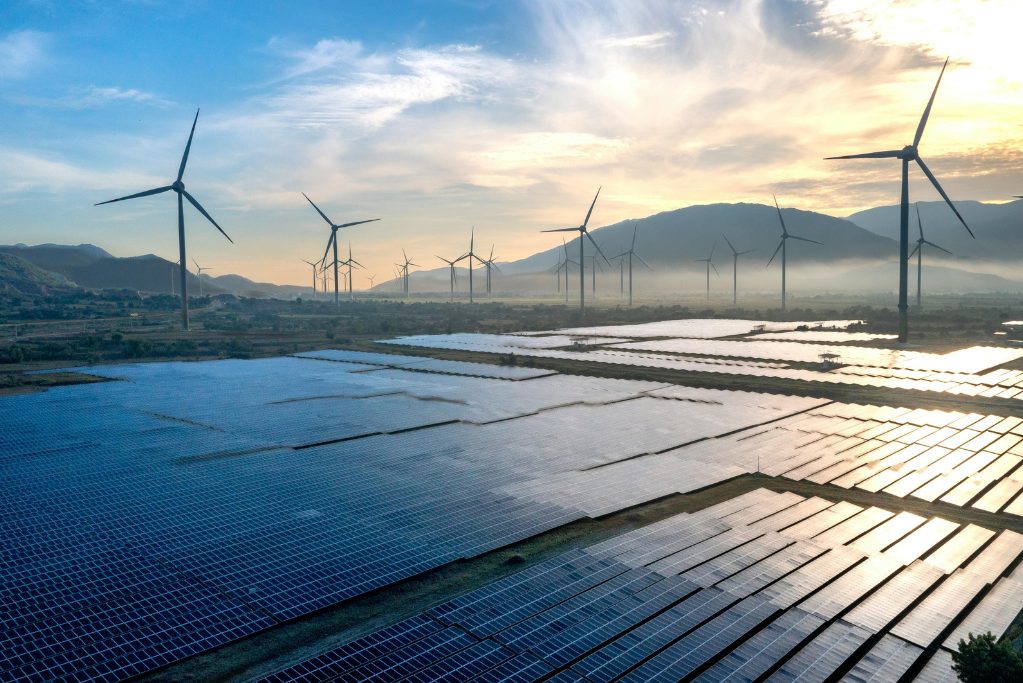
Ongoing geopolitical tensions, such as the Iran war, are largely influencing the rapid development in renewable energy and electric mobility. The disruption of critical routes like the Strait of Hormuz is emphasizing the increased logistics costs of global oil supply chains, inflating fossil fuel prices, and energy insecurity. There is an immediate urgency to transition towards sources of renewable energy and electrified transportation, thus accelerating the adoption of EVs. This also calls for decentralized technologies, such as solar, wind, and hydro power amidst surging logistics costs of wind turbines, solar panels, and EV components and critical minerals like lithium, cobalt, etc. Support through government incentives, regulatory frameworks, subsidies, and rising awareness of sustainability benefits has led consumers away from internal combustion engines for the past few decades.
Advanced technologies including smart, sustainable grids and EV charging infrastructure, residential solar systems, battery storage solutions, and green hydrogen production are swiftly transforming the current power landscape. AI-based demand forecasting, grid optimization, and predictive maintenance are continuously improving efficiency even during shipping and policy uncertainties. Diversification, energy independence, and domestic production across EV innovations, including carbon capture, battery composition, and renewable integration, are accelerating long-term decarbonization goals. Digital twins and IoT-powered real-time monitoring of energy networks drive a cleaner and smarter interconnected global energy future in the due course of current geopolitical tensions. The need for the hour is a resilient energy, alternative material, and risk mitigation strategy with robust global supply chain management and local manufacturing ecosystems.
~Saurabh Pandey VP- Technology & Solution Architect